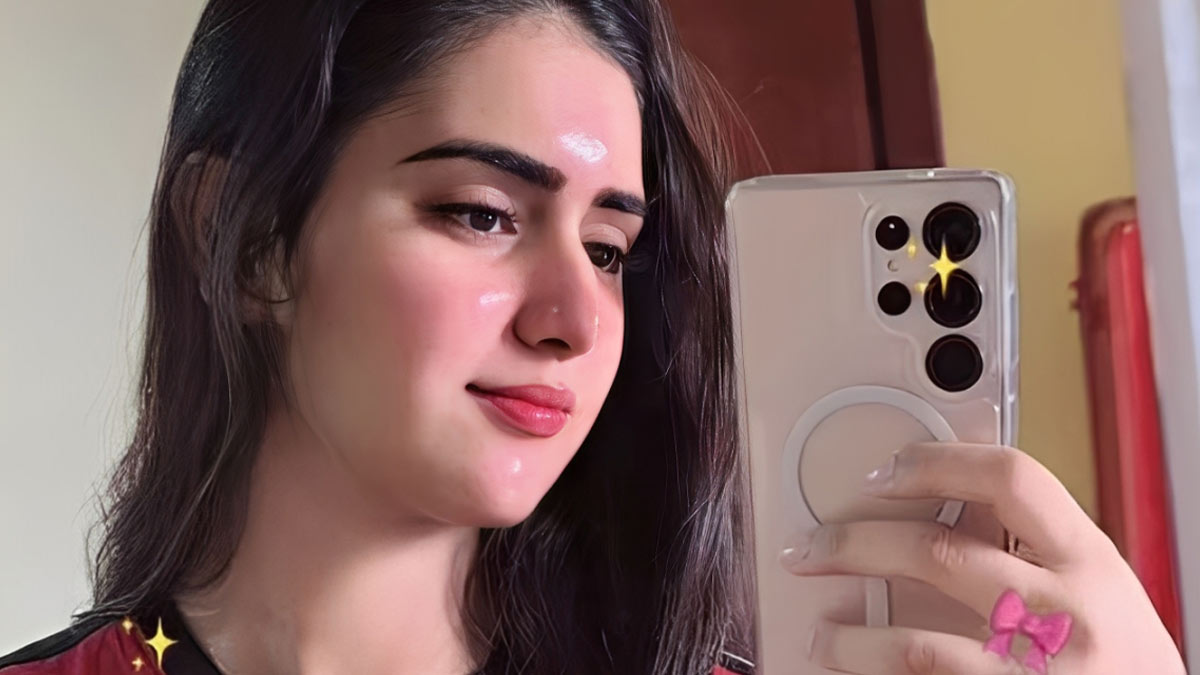
Who Is Arohi Mim? Bangladeshi Actress Linked to Viral MMS Claims Explained
The name of Bangladeshi actress Arohi Mim is trending on social media in the last days due to claims of linking her to a supposed viral MMS video called “3 Minutes 24 Seconds”. The spread of fake news and misleading links so fast has confused many internet users and they are trying to find out the truth of such allegations.
So it is a good idea to be cautious around stories like these that go viral, as misinformation and fake links can sometimes travel faster than the truth in the online world.
Who Is Arohi Mim?
Arohi Mim is a Bangladeshi actress who is popular for her acting in regional entertainment projects. She has amassed a huge fan following from her acting, modeling, photoshoots as well on social media where she actively interacts with her fans.
Rising star Arohi Mim’s popularity had been gradually growing. However, her latest social media trend is more related to a controversy rather than a professional success, making her publically known outside of the realm of acting.
Arohi Mim MMS Viral Video Controversy Explained

The controversy erupted after some social media posts started spreading the rumor of a “explicit” MMS tape getting linked to Arohi Mim. These narratives were echoed on the messaging app Telegram, WhatsApp, and even X (formerly Twitter), accompanied with sensational headlines and links to dubious websites.
So far, there has been no confirmed or official verification stating that the viral footage contains the actress. Many of these claims seem to be based on rumours and misinformation, rather than trustworthy sources. Past examples have illustrated how celebrities are victims of hoax videos for clicks and attention.
Cyber analysts say such viral messages often encourage users to be misled and make their curiosity exploited, as opposed to imparting value-based information.
How to Spot Fake MMS Links Online
Fake MMS or video links viral are often made to look believable. They generally rely on shock headlines, urgency, or the incentive of content that only a few people get their hands on to get users to click.
Users should:
Don’t click on links sent via unknown or suspect sources via Twitter or any other service.
Don’t fall for sensational headlines crafted to trigger sense of curiosity.
Verify with reputable news sites.
Don’t download files or submit personal information on any site you don’t know.
Safe internet use prevents data loss (personal and otherwise) Coupled with misinformation.
Cyber Risks of Clicking on Viral MMS Links
Many viral MMS links redirect users to phishing websites, malicious ads, or malware-infected pages. Clicking on such links can result in:
Theft of personal or financial information
Unauthorized access to devices
Installation of harmful software
Compromised online accounts
Cybersecurity professionals advise users to avoid engaging with suspicious links, especially those shared through private messaging apps or anonymous social media accounts.
Legal Options Available to Celebrities
Public figures who become victims of fake MMS circulation can seek legal remedies under cybercrime, privacy, and defamation laws. Celebrities can:
File complaints with cybercrime cells
Report misleading content to social media platforms
Seek removal of false information
Take legal action against those spreading defamatory material
These steps help protect individual privacy and discourage the spread of false and harmful content online.
Conclusion
The case involving Arohi Mim highlights the growing problem of misinformation and fake viral content on social media. While her name has been linked to an alleged MMS controversy, there is no verified evidence confirming these claims. Users are strongly advised to rely on credible sources and avoid engaging with unverified links.
Promoting responsible digital behavior is essential to maintaining a safer and more trustworthy online environment.