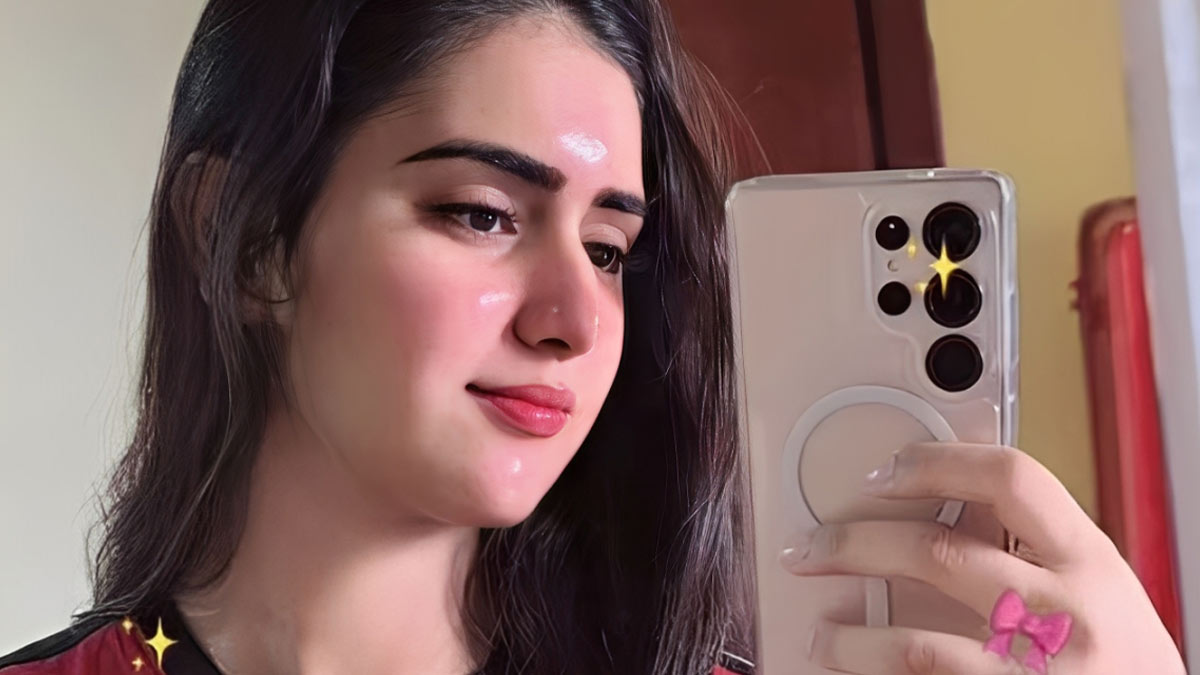
Who Is Fatima Jatoi? Pakistani TikToker Viral Video Claims and Online Safety Explained
The Pakistani online community has recently been abuzz with claims involving popular TikToker Fatima Jatoi, after an alleged private video with a timestamp of “6 minutes 39 seconds” began circulating across social media platforms such as X (formerly Twitter), Telegram, and WhatsApp. As the trend gained traction, cybersecurity experts and digital rights advocates raised serious concerns, warning that the viral claims may be linked to AI-generated deepfake content and online scams rather than any verified incident.
Amid the growing confusion, experts have urged users to remain cautious and avoid clicking on suspicious links that claim to host the “original video,” as many are reportedly designed to lure users into phishing websites or malware traps.
Who Is Fatima Jatoi? A Quick Introduction
Fatima Jatoi is a well-known Pakistani social media influencer and TikTok personality who rose to fame through her engaging lip-sync videos, lifestyle content, and fashion posts. Originally from Sindh, she gained a large following by sharing her personal journey, cultural style, and experiences of traveling abroad, including content from cities like Dubai.
Her relatable content and strong online presence made her especially popular among Gen Z audiences in Pakistan. However, her rising popularity has recently been overshadowed by a privacy-related controversy that has sparked a broader debate about online safety and misinformation.
Fatima Jatoi Viral Video Claims Explained
In early January 2026, unverified claims began circulating online alleging the existence of a leaked private video involving Fatima Jatoi. Anonymous accounts promoted the video using the “6 minutes 39 seconds” label, encouraging users to search for or download the clip.
Fatima Jatoi later addressed the issue publicly and categorically denied the authenticity of the video, stating that the content being circulated is fake and allegedly created using AI technology. She emphasized that the claims were false and aimed at damaging her reputation.
As of now, no credible or official source has confirmed the authenticity of the alleged video, and experts believe the content is part of a coordinated misinformation campaign.
Challenges Faced by Viral Content Creators in Pakistan
The incident highlights the intense scrutiny faced by social media creators in Pakistan, particularly women. Viral scandals—whether real or fabricated—can lead to character assassination, mental health challenges, and social pressure on creators and their families.
Digital rights experts note that the misuse of AI and deepfake technology has made it increasingly easy to create misleading content, putting public figures at risk of reputational harm without evidence.
Why Clicking on “MMS Viral Video” Links Can Be Dangerous

Cybersecurity specialists have warned that many links claiming to host viral MMS videos are actually clickbait scams. These links often redirect users to phishing websites or initiate malicious downloads without the user’s knowledge.
Potential risks include:
Theft of personal and financial information
Malware installation on devices
Unauthorized access to cameras and microphones
Compromised social media and banking accounts
Experts strongly advise users to avoid clicking on unverified links, especially those shared through private messaging apps or anonymous social media profiles.
Scams, Malware, and Legal Risks
Beyond cybersecurity threats, sharing or accessing non-consensual or misleading content can have legal consequences. Laws such as Pakistan’s Prevention of Electronic Crimes Act (PECA) and India’s Information Technology Act criminalize the distribution and consumption of unlawful digital content.
Legal experts warn that engaging with such material—knowingly or unknowingly—may result in fines or imprisonment.
Conclusion
The case involving Fatima Jatoi serves as a reminder of the growing dangers of misinformation, deepfake technology, and online scams. While viral claims continue to circulate, there is no verified evidence supporting the alleged video. Users are encouraged to rely on trusted news sources, avoid suspicious links, and practice responsible digital behavior.
Staying informed and cautious is the most effective way to remain safe in today’s rapidly evolving online environment.