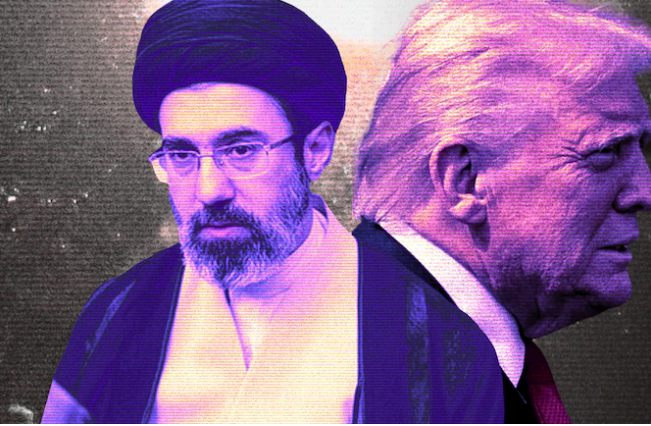
Iran’s Big Claim On Deal To Reopen Hormuz, US Calls It “Fabrication”
Fresh tensions have emerged in the Middle East after Iran claimed that a potential agreement with the United States could soon reopen the strategically critical Strait of Hormuz. However, the White House has strongly denied the reports, calling the alleged draft agreement a “complete fabrication.”
The conflicting statements have triggered major global attention because the Strait of Hormuz remains one of the most important oil shipping routes in the world. Markets, governments, and investors are closely monitoring every development as fears over regional instability continue.
The situation has added another layer of uncertainty to ongoing diplomatic discussions between Washington and Tehran.
Key Highlights
| Topic | Details |
|---|---|
| Main Issue | Iran claims draft deal may reopen Hormuz |
| US Response | White House calls report “fabrication” |
| Key Region | Strait of Hormuz |
| Global Impact | Oil prices and shipping markets |
| Negotiation Status | Talks reportedly still ongoing |
| Main Concern | Middle East stability |
Iran Claims Draft Framework Exists
Iranian state media reported that discussions with the United States had reached an advanced stage and included a possible memorandum of understanding regarding the Strait of Hormuz.
According to those reports:
- Commercial shipping could return to normal
- Maritime operations may fully reopen
- US naval restrictions could ease
- Regional tensions may reduce gradually
Iranian reports suggested that shipping activity through the Strait of Hormuz could return to pre-war levels within weeks if terms are finalized.
The announcement immediately attracted worldwide attention because of Hormuz’s importance to global oil trade.
US Rejects Iran’s Claims
The White House strongly rejected Iranian media reports suggesting that a finalized agreement had been reached to reopen the Strait of Hormuz. American officials dismissed the reports as misinformation and described the alleged memorandum as:
“A complete fabrication.”
US authorities also warned international media organizations and investors not to rely entirely on reports coming from Iranian state-controlled outlets without independent confirmation.
Despite publicly rejecting the claims, American officials admitted that diplomatic communications with Iran are still continuing behind closed doors. These talks are reportedly focused on reducing military tensions, restoring maritime stability, and preventing a wider regional conflict in the Middle East.
According to analysts, the conflicting statements from Tehran and Washington show that negotiations may still be in sensitive stages where both sides are trying to control the public narrative while discussions continue privately.
The situation has created confusion in global markets because investors are struggling to determine whether genuine progress is being made or whether both countries remain far apart diplomatically.
Why the Strait of Hormuz Matters
Strait of Hormuz is considered one of the most strategically important waterways in the world.
The narrow shipping route connects the Persian Gulf to the Gulf of Oman and international waters, making it essential for global energy transportation.
Key Facts About Strait of Hormuz
| Factor | Importance |
|---|---|
| Global Oil Transit | Nearly 20% of world oil passes through Hormuz |
| Strategic Location | Connects Gulf oil producers to global markets |
| Economic Impact | Influences global fuel and energy prices |
| Security Importance | Critical for naval and shipping operations |
| Global Dependency | Asia and Europe heavily rely on Gulf oil exports |
Countries including Saudi Arabia, the UAE, Kuwait, Iraq, and Iran use this maritime route to transport crude oil internationally.
Because such a massive portion of the global oil supply depends on Hormuz remaining open, even small disruptions can trigger:
- Oil price spikes
- Shipping delays
- Inflation concerns
- Stock market volatility
- Economic uncertainty worldwide
This is why every military escalation or diplomatic development involving Hormuz immediately becomes global headline news.
Oil Markets React Immediately
Global financial and energy markets reacted rapidly after reports emerged suggesting possible diplomatic progress between Iran and the United States.
Oil prices declined because investors believed tensions in the Gulf region might ease if a framework agreement eventually materializes.
Why Oil Prices Fell
Investors expected:
- Reduced supply disruption risks
- Safer commercial shipping routes
- Lower insurance costs for cargo vessels
- Stabilization of global oil exports
- Reduced chances of wider military conflict
Energy traders closely monitor Middle East developments because geopolitical tensions directly affect crude oil availability.
However, despite the temporary market optimism, analysts remain cautious because:
- No finalized agreement exists
- Military activity in the region continues
- Public disagreements between Iran and the US remain active
- Negotiations are still highly uncertain
Because of this uncertainty, oil prices continue fluctuating with every official statement from Tehran or Washington.
What Iran’s Report Claimed
Iranian state media claimed that negotiators were discussing a broad framework agreement involving multiple regional security measures.
According to those reports, the proposed arrangement allegedly included:
Reported Elements of the Framework
1. Reopening Commercial Shipping Routes
Iran reportedly indicated that oil tankers and cargo vessels could resume normal passage through Hormuz.
2. Reduced Military Activity
Both sides could lower naval tensions in the Gulf region.
3. Easing Naval Restrictions
Reports suggested fewer maritime restrictions around strategic shipping lanes.
4. Broader Ceasefire Discussions
The framework may also include regional de-escalation measures.
5. Potential US Military Reduction
Some reports even claimed that American military presence near Iran could decrease gradually.
However, independent international confirmation of these claims has not been provided.
Western officials continue denying that any finalized framework currently exists.
Major Issues Still Unresolved
Despite ongoing diplomatic engagement, several major disagreements continue preventing a final agreement.
1. Nuclear Program Concerns
The United States continues demanding strict restrictions on Iran’s nuclear program.
Washington reportedly wants:
- Stronger inspections
- Uranium enrichment limitations
- Long-term compliance guarantees
- International monitoring systems
Iran, meanwhile, insists its nuclear activities are for peaceful purposes and seeks removal of international pressure.
2. Sanctions Relief
Economic sanctions remain one of the biggest negotiation obstacles.
Iran reportedly wants:
- Banking access restoration
- Oil export normalization
- Trade restrictions removed
- Financial relief measures
The US continues linking sanctions relief to security commitments and nuclear compliance.
3. Military Presence
Military operations in the Gulf region remain highly sensitive.
American naval deployments, regional security partnerships, and Iranian military activities continue creating tension across the Middle East.
Analysts warn that even minor military incidents could quickly destabilize negotiations.
4. Maritime Security
Shipping security remains one of the most difficult issues.
Negotiators reportedly continue discussing:
- Tanker protection
- Naval patrol coordination
- Maritime monitoring systems
- Commercial shipping safety guarantees
Without strong maritime security arrangements, experts believe reopening Hormuz fully could remain difficult.
Political Pressure Continues to Rise
The ongoing Iran-US tensions are also increasing political pressure globally.
In the United States
American leaders face growing concerns regarding:
- Rising fuel prices
- Inflation pressure
- Economic uncertainty
- Military escalation risks
- Election-related political consequences
Because energy prices directly affect American consumers, Middle East instability has become an important domestic political issue.
In the Middle East
Regional governments remain deeply concerned about:
- Oil export disruptions
- Economic instability
- Security threats
- Maritime attacks
- Potential wider regional conflict
Several Gulf countries continue urging diplomatic solutions to avoid further escalation.
Could Hormuz Fully Reopen Soon?
Experts say fully reopening Hormuz under stable conditions would require extensive diplomatic coordination.
Key Requirements
| Requirement | Purpose |
|---|---|
| Security Guarantees | Prevent future attacks |
| Ceasefire Monitoring | Maintain regional stability |
| Naval Coordination | Protect shipping operations |
| International Oversight | Build trust between parties |
| Diplomatic Commitments | Ensure long-term compliance |
Although discussions remain active, analysts warn that negotiations are still extremely fragile.
Current Situation
- No official agreement has been confirmed
- Iran and the US continue public disagreements
- Military tensions remain unresolved
- Oil markets remain volatile
- Diplomatic channels remain active
Global Impact of the Crisis
The Iran-US crisis continues affecting countries across the world.
Major Global Effects
Energy Markets
Oil price volatility continues influencing global economies.
Shipping Industry
Transport and maritime insurance costs remain elevated.
Financial Markets
Investors remain cautious amid geopolitical uncertainty.
Inflation Concerns
Fuel prices continue impacting inflation worldwide.
Global Trade
Shipping disruptions affect international supply chains.
Because of these factors, governments and investors worldwide remain focused on every development related to the Strait of Hormuz and US-Iran diplomacy.