Iran-Israel War LIVE: U.S. Conducts Another Strike Against Iran
The Middle East conflict has intensified once again after the United States carried out another military strike against Iran. The latest development comes just hours after former U.S. President Donald Trump claimed that Iran is “negotiating on fumes,” suggesting that Tehran is facing increasing military and economic pressure.
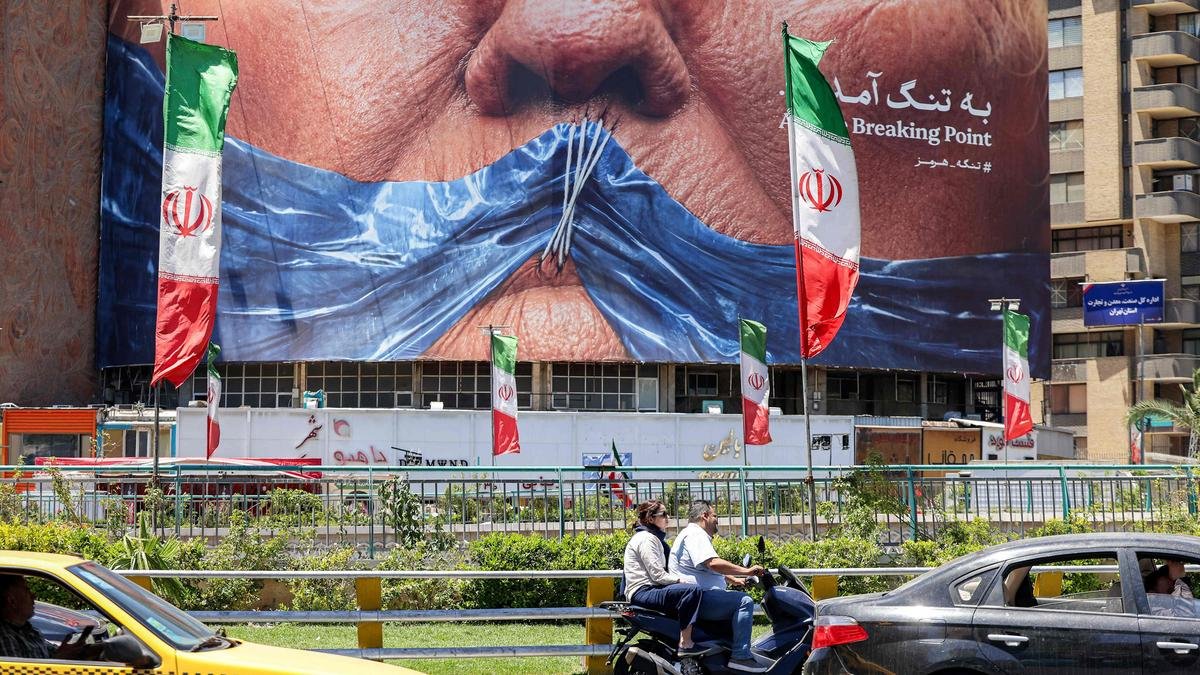
The new strike has raised fears of a wider regional war involving Iran, Israel, and U.S. allies across the Middle East. Global markets are closely monitoring the situation as tensions near the Strait of Hormuz continue to threaten oil supply routes and international trade.
U.S. Military Launches Fresh Strike Against Iran

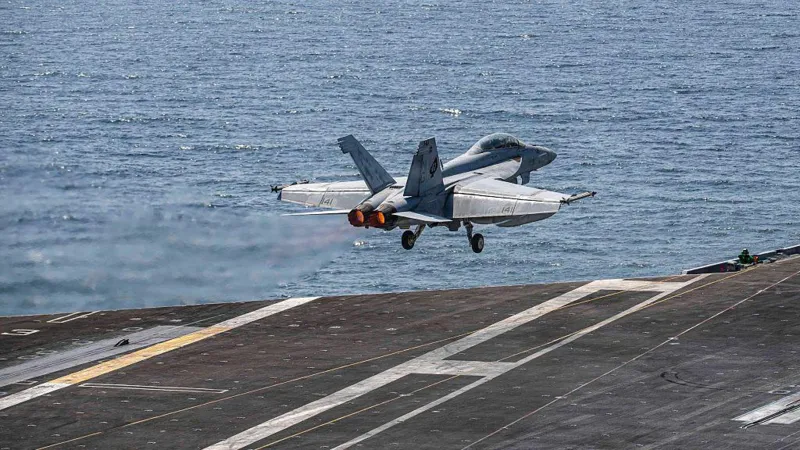
According to U.S. defense officials, American forces targeted an Iranian drone-control facility near Bandar Abbas in southern Iran. Officials stated that the operation was carried out after Iranian drones were detected near the Strait of Hormuz.
The U.S. military reportedly intercepted and destroyed four Iranian drones that were considered a threat to commercial shipping and American military assets in the region.
Officials described the attack as a “defensive military action” designed to protect international shipping routes and prevent further escalation in the Gulf region.
The Pentagon has not yet released full operational details, but sources confirmed that precision-guided weapons were used during the strike.
Donald Trump Says Iran Is “Negotiating on Fumes”
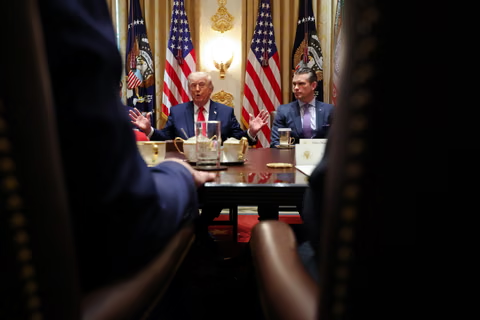
During a press briefing, Donald Trump made strong comments about Iran’s current situation. Trump stated that Tehran is under immense pressure and claimed the country is struggling economically and militarily.
Trump said:
“Iran is negotiating on fumes. They know they are in trouble.”
He also warned that the United States could take even stronger action if diplomatic efforts fail.
Trump’s remarks quickly became a major talking point globally, especially as tensions between Iran, Israel, and the U.S. continue to rise.
Political analysts believe the statement signals a more aggressive American stance toward Iran if attacks on U.S. assets continue.
Why the Strait of Hormuz Is So Important
The Strait of Hormuz remains one of the most strategically important waterways in the world.
Nearly 20% of global oil shipments pass through this narrow route connecting the Persian Gulf to international markets. Any disruption in this region can immediately impact oil prices and global energy supplies.
The latest drone activity near the Strait has increased concerns among shipping companies and global governments.
Experts warn that:
- Oil prices could surge sharply if tensions worsen
- Shipping insurance costs may rise
- Global inflation could increase again
- International trade routes may face disruptions
Several oil tankers in the region have already increased security measures due to fears of additional attacks.
Iran Responds After U.S. Strike
Iranian officials strongly condemned the U.S. military operation and called it a violation of international law.
Iranian state media claimed that Tehran had responded by targeting a U.S. military installation in the region, though independent verification remains limited.
Iran’s Revolutionary Guard issued a warning stating that any further attacks would receive a “strong and direct response.”
The Iranian government also accused the United States of supporting Israeli military operations against Iranian interests in the Middle East.
Meanwhile, Iranian citizens are facing growing economic uncertainty as sanctions, inflation, and regional instability continue to affect daily life.
Israel Monitoring Situation Closely
Israel has not officially commented on the latest U.S. strike, but defense officials in Tel Aviv are reportedly on high alert.
Israeli intelligence agencies are closely monitoring Iran’s military movements, especially activities linked to drones and missile systems.
Over the past several months, Israel and Iran have exchanged accusations over cyberattacks, proxy conflicts, and regional military operations.
Security experts believe Israel could become more directly involved if Iranian retaliation expands beyond current targets.
The Israeli military has already strengthened air defense systems near key cities and strategic locations.
White House Rejects Reports of Finalized Peace Deal
Amid rising tensions, reports circulated in Iranian media claiming that a draft peace framework between Washington and Tehran had been finalized.
However, the White House quickly rejected those claims.
American officials described the reports as:
“Completely fabricated.”
Despite denying any finalized agreement, U.S. officials acknowledged that indirect diplomatic discussions with Iran are still continuing through international mediators.
Oman and several Gulf nations are reportedly helping facilitate communication between both sides to prevent a broader regional conflict.
Global Oil Markets React to Rising Tensions
International oil markets reacted immediately following news of the latest U.S. strike.
Brent crude oil prices moved higher as investors feared possible disruptions in Middle Eastern energy supplies.
Financial analysts warn that continued instability in the region could lead to:
- Higher fuel prices globally
- Increased transportation costs
- Inflation pressure on major economies
- Stock market volatility
Countries heavily dependent on Middle Eastern oil imports are now closely watching developments in the Gulf.
Asian and European governments have also urged restraint from both Iran and the United States.
International Reactions to the Conflict
World leaders have expressed concern over the rapidly escalating situation.
United Nations
The United Nations called for immediate de-escalation and urged all parties to avoid actions that could trigger a larger regional war.
European Union
EU officials emphasized the importance of diplomacy and warned that military escalation could destabilize global markets and regional security.
Russia and China
Russia criticized the latest U.S. military strike and called for renewed diplomatic negotiations.
China also urged restraint and stressed the importance of protecting international shipping lanes.
Could the Iran-Israel Conflict Turn Into a Larger War?
Military analysts believe the current situation remains highly dangerous.
Several factors could increase the risk of a broader war:
- Further drone or missile attacks
- Israeli retaliation against Iranian targets
- Disruption of oil shipping routes
- Proxy conflicts across the Middle East
- Direct clashes involving U.S. forces
Experts warn that even a small incident could rapidly escalate into a much larger regional conflict involving multiple countries.
At the same time, diplomatic channels remain open, giving hope that negotiations could still prevent a full-scale war.
Impact on Global Economy and Markets
The Iran-Israel conflict is not only a regional issue—it has global economic consequences.
Investors worldwide are watching developments closely because prolonged instability can affect:
- Stock markets
- Oil and gas prices
- Airline operations
- Global trade routes
- Inflation rates
Safe-haven assets such as gold have already seen increased demand as investors seek protection from market volatility.
Many economists believe energy prices could remain unstable if tensions continue over the coming weeks.
Conclusion
The latest U.S. military strike against Iran marks another serious escalation in the ongoing Iran-Israel conflict. With Donald Trump stating that Iran is “negotiating on fumes,” geopolitical tensions in the Middle East are reaching a critical point.
As the Strait of Hormuz remains under close watch and fears of broader conflict grow, the world is now waiting to see whether diplomacy can prevent another major regional war.
Global markets, governments, and military alliances are all closely monitoring every new development in this rapidly evolving crisis.
FAQs
Why did the U.S. strike Iran?
The U.S. said the strike targeted an Iranian drone-control facility after drones threatened shipping routes near the Strait of Hormuz.
What did Donald Trump say about Iran?
Trump said Iran is “negotiating on fumes,” suggesting Tehran is under heavy pressure.
Why is the Strait of Hormuz important?
It is one of the world’s most important oil shipping routes, handling nearly 20% of global oil trade.
Has Iran responded to the U.S. strike?
Iran condemned the attack and claimed it targeted a U.S. military base in retaliation.
Could this lead to a larger Middle East war?
Analysts warn the risk of wider regional conflict remains high if tensions continue escalating.