Iran War LIVE: US Strikes Iranian Site; Kuwait Targeted by Missiles, Drones
The Middle East crisis intensified dramatically after the United States launched fresh military strikes against Iran, while Kuwait reported missile and drone attacks linked to the ongoing regional conflict.
According to U.S. officials, American forces targeted an Iranian drone-control station near Bandar Abbas after Iranian drones threatened commercial ships and military assets near the Strait of Hormuz. At the same time, Kuwait activated air defense systems after missiles and drones were detected in its airspace. ()
The latest developments have raised fears that the Iran conflict could expand further across the Gulf region, impacting oil markets, global trade, and regional security.
US Conducts New Military Strike on Iran

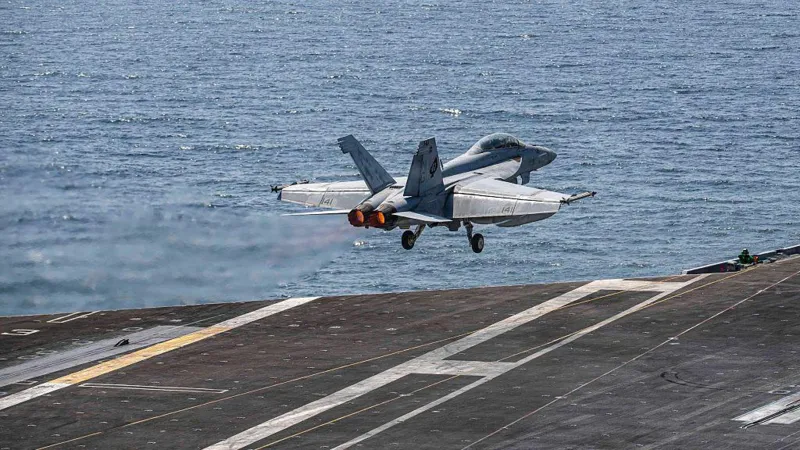
U.S. Central Command confirmed that American forces carried out “defensive strikes” targeting Iranian military infrastructure in southern Iran.
Officials said the operation destroyed:
- A drone-control facility near Bandar Abbas
- Iranian drone launch equipment
- Multiple one-way attack drones
The Pentagon stated that the strikes were necessary after four Iranian drones approached shipping lanes and U.S. assets near the Strait of Hormuz. ()
The U.S. described the military action as limited and defensive, aimed at preventing further attacks while maintaining a fragile ceasefire currently under negotiation.
Kuwait Reports Missile and Drone Attacks

Shortly after the U.S. operation, Kuwait confirmed that it faced missile and drone threats.
Kuwaiti defense officials stated that:
- Air defense systems intercepted hostile projectiles
- Explosions heard in the country were caused by interceptions
- Authorities remain on high alert
No major casualties have been officially reported so far, though regional security concerns are rapidly increasing.
Iranian media later claimed that Tehran had targeted a U.S. military base in retaliation for the American strikes.
Iran Vows Strong Retaliation
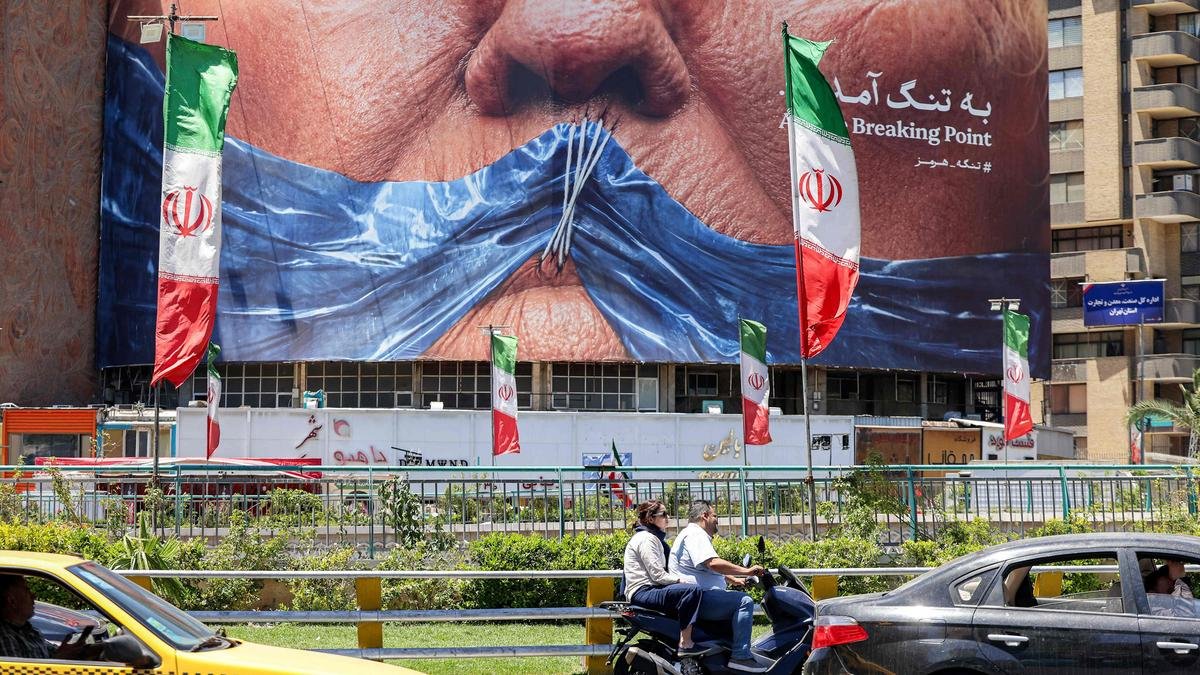
Iran strongly condemned the latest U.S. military operation and accused Washington of violating ceasefire understandings.
Iran’s Revolutionary Guard warned that:
“Any further aggression will receive a decisive response.”
Iranian officials also claimed responsibility for retaliatory attacks targeting American military installations in the Gulf region.
The escalating exchange between Tehran and Washington has significantly increased tensions across the Middle East.
Why Bandar Abbas Matters
Bandar Abbas is one of Iran’s most strategically important military and naval locations.
The city:
- Hosts major Iranian naval facilities
- Controls access to the Strait of Hormuz
- Plays a key role in drone and missile operations
Military analysts believe the latest U.S. strike was designed to weaken Iran’s drone-launch capabilities near the Gulf shipping lanes.
Strait of Hormuz Crisis Deepens
The Strait of Hormuz remains at the center of the conflict.
Nearly 20% of global oil shipments pass through this narrow waterway. Any military escalation in the region could:
- Disrupt oil exports
- Increase fuel prices globally
- Impact stock markets
- Trigger economic uncertainty worldwide
Several shipping companies have already increased security measures due to fears of additional attacks. (Reuters)
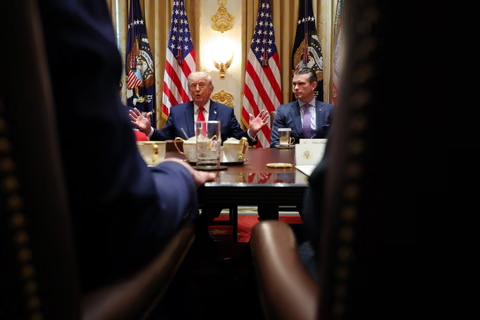
Donald Trump Says Iran Is “Negotiating on Fumes”
Former U.S. President Donald Trump added to the tensions by stating that Iran is:
“Negotiating on fumes.”
Trump suggested that Tehran is facing severe economic and military pressure and warned that stronger action could follow if diplomacy fails.
His comments have intensified global debate over America’s future role in the conflict.
Israel Monitoring Situation Closely
Israel remains on high alert as tensions rise across the region.
Israeli defense forces are reportedly monitoring:
- Iranian missile movements
- Drone launch activities
- Hezbollah-linked operations
Military experts believe Israel could become more directly involved if Iranian retaliation expands.
Global Oil Markets React
Oil prices moved higher immediately after news of the latest strikes emerged.
Investors fear that a wider conflict could severely impact:
- Global energy supplies
- Shipping routes
- Inflation rates
- International trade
Financial analysts say continued instability near the Strait of Hormuz could push crude oil prices sharply upward in the coming days.
International Reactions
United Nations
The UN called for immediate de-escalation and urged all parties to avoid actions that could trigger a larger regional war.
European Union
EU officials stressed the importance of diplomacy and warned against further military escalation.
Gulf Countries
Several Gulf nations increased military readiness amid fears that the conflict could spread across neighboring countries.
Could the Conflict Expand Further?
Security analysts warn that the current situation remains highly dangerous.
Potential risks include:
- More Iranian retaliation
- Additional U.S. strikes
- Israeli military involvement
- Disruptions to global oil supply
- Regional proxy conflicts
Despite ongoing diplomatic talks, military activity continues to increase across the region.
Conclusion
The latest U.S. strikes on Iran and missile-drone threats targeting Kuwait have pushed Middle East tensions to another critical level.
As the Strait of Hormuz crisis deepens and fears of broader war grow, global leaders are urgently calling for diplomacy to prevent a major regional conflict.
The coming days are expected to be crucial for both military developments and international peace efforts.