Middle East Crisis LIVE: Trump Warns He May Have to ‘Finish Job’ as US and Iran Trade Strikes
REPORT BY THE APNA TIMES
The Middle East crisis has entered another dangerous phase after the United States and Iran exchanged fresh military strikes, while former U.S. President Donald Trump warned that America may have to “finish the job” if negotiations fail.
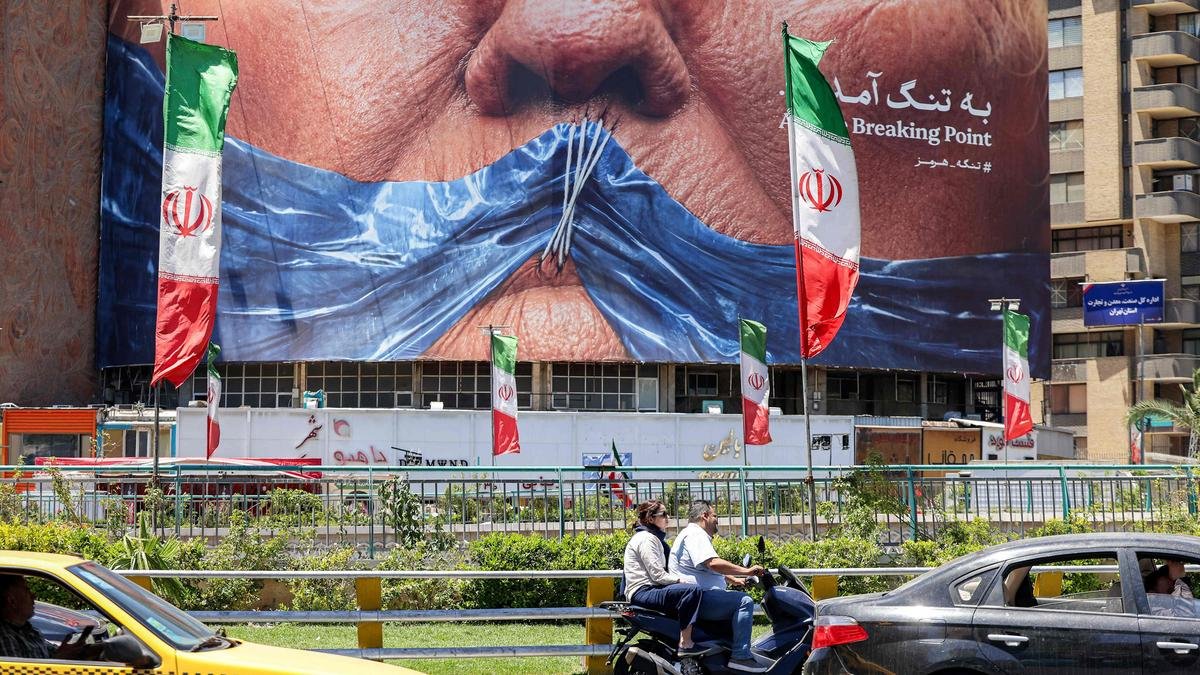
The escalating conflict has intensified fears of a wider regional war involving Iran, Israel, Hezbollah, and U.S. allies across the Gulf region. Global oil markets, shipping routes, and diplomatic talks are all under pressure as tensions continue to rise near the strategically vital Strait of Hormuz.
Trump Warns US May “Finish the Job”
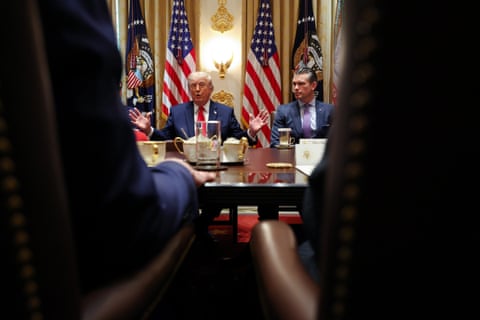
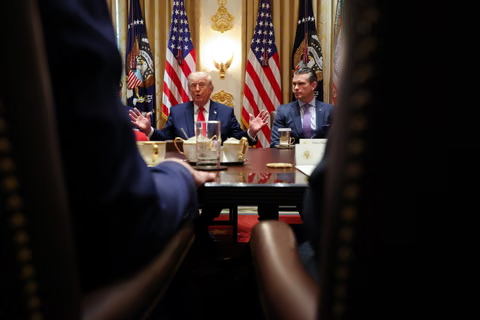
During a White House Cabinet meeting, Donald Trump said Iran was interested in reaching a deal but warned that Washington could take stronger military action if diplomacy collapses.
Trump stated:
“We’re not satisfied with it, but we will be. Either that or we’ll have to just finish the job.”
Trump also claimed that Iran is “negotiating on fumes,” suggesting Tehran is under severe economic and military pressure.
The comments have sparked global concern that the fragile diplomatic efforts between Washington and Tehran could quickly collapse.
US Conducts New Strike Against Iran
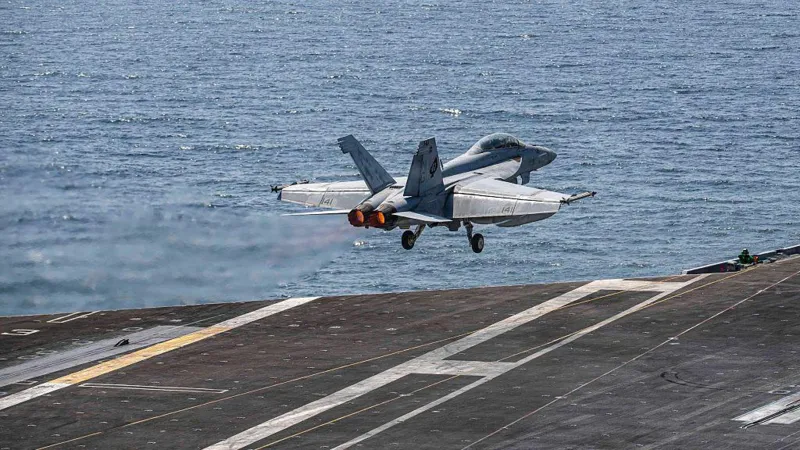
According to U.S. officials, American forces carried out fresh strikes targeting an Iranian drone-control facility near Bandar Abbas in southern Iran.
The Pentagon said the operation was launched after Iranian drones threatened commercial ships and U.S. military assets near the Strait of Hormuz.
U.S. forces reportedly:
- Shot down four Iranian drones
- Destroyed drone-launch infrastructure
- Targeted military equipment linked to maritime threats
Officials described the strikes as “defensive operations” aimed at protecting freedom of navigation through international waters.
Iran Retaliates After US Strike
Iran strongly condemned the American operation and quickly responded with retaliatory military action.
Iranian state media claimed that Tehran targeted a U.S. military base in Kuwait using missiles and drones. Kuwait later confirmed that its air defense systems intercepted several aerial threats.
Iran’s Revolutionary Guard warned that:
“Aggression will not go unanswered.”
The retaliation has raised fears that the conflict could spread across the Gulf region and involve additional countries.
Strait of Hormuz Remains at Center of Crisis
The Strait of Hormuz continues to be one of the most critical flashpoints in the conflict.
Nearly 20% of global oil shipments pass through this narrow waterway connecting the Persian Gulf to global markets.
Any military escalation in the area could:
- Disrupt oil exports
- Push fuel prices higher
- Increase global inflation
- Impact shipping and trade worldwide
Trump also warned Oman regarding discussions about possible joint control arrangements involving the Strait of Hormuz.
He stated:
“The strait is going to be open to everybody.”
Oil Markets React to Rising Tensions
Global oil prices reacted sharply to the latest developments.
Investors fear that continued military escalation between the U.S. and Iran could lead to major disruptions in energy supplies.
Analysts warn that oil prices could surge significantly if:
- Iran restricts shipping access
- More attacks occur near the Gulf
- The Strait of Hormuz faces prolonged instability
Some experts have warned that crude oil prices could potentially approach $200 per barrel in a worst-case scenario.
Israel and Hezbollah Conflict Intensifies
At the same time, tensions between Israel and Hezbollah are also escalating.
According to reports:
- Hezbollah drones struck northern Israel
- Israeli airstrikes hit Hezbollah targets in Lebanon
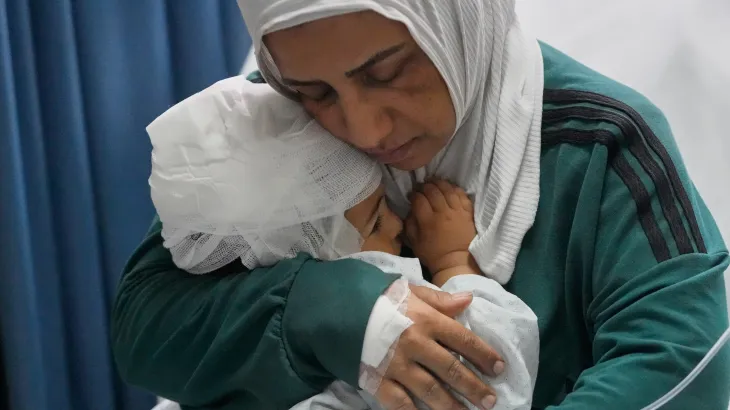
- Civilians were reportedly killed during strikes in southern Lebanon
Israeli defense forces remain on high alert as fears grow that Iran-backed groups could open additional fronts in the conflict.
Diplomatic Talks Continue Despite Military Escalation
Despite the ongoing strikes, diplomatic negotiations between Washington and Tehran are still continuing through mediators.
U.S. Secretary of State Marco Rubio said that:
“Some progress” has been made in talks with Iran.
However, the White House denied Iranian media reports claiming that a finalized peace framework had already been agreed upon.
American officials described those reports as:
“Complete fabrication.”
Global Leaders Call for De-Escalation
International leaders are increasingly worried about the possibility of a wider Middle East war.
United Nations
The UN urged all sides to avoid further escalation and return to diplomatic negotiations.
European Union
European officials warned that additional military action could destabilize global markets and regional security.
Gulf Nations
Several Gulf countries have strengthened military readiness amid fears of broader regional instability.
Could the Conflict Turn Into a Larger War?
Military analysts believe the situation remains extremely volatile.
Potential risks include:
- More Iranian retaliation
- Additional U.S. airstrikes
- Israeli military expansion
- Hezbollah attacks
- Disruptions to oil shipping routes
Experts warn that even small military incidents could rapidly escalate into a broader regional war involving multiple nations.
At the same time, ongoing negotiations provide some hope that diplomacy could still prevent full-scale conflict.
Conclusion
The latest exchange of strikes between the United States and Iran has pushed the Middle East crisis to another dangerous level.
With Donald Trump warning that America may have to “finish the job,” tensions surrounding the Strait of Hormuz, Israel, and Gulf security continue to grow.
As oil markets react and military activity increases across the region, the world is closely watching whether diplomacy can prevent a much larger war in the Middle East.