Trump to Decide on Iran Deal Amid Israel-Iran War Tensions
Trump to Decide on Iran Deal Amid Israel-Iran War Tensions: What the World Needs to Know
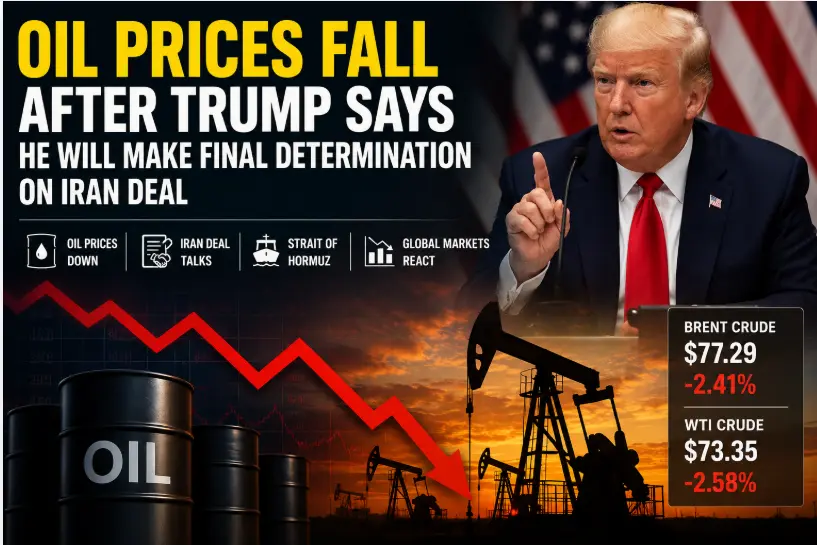
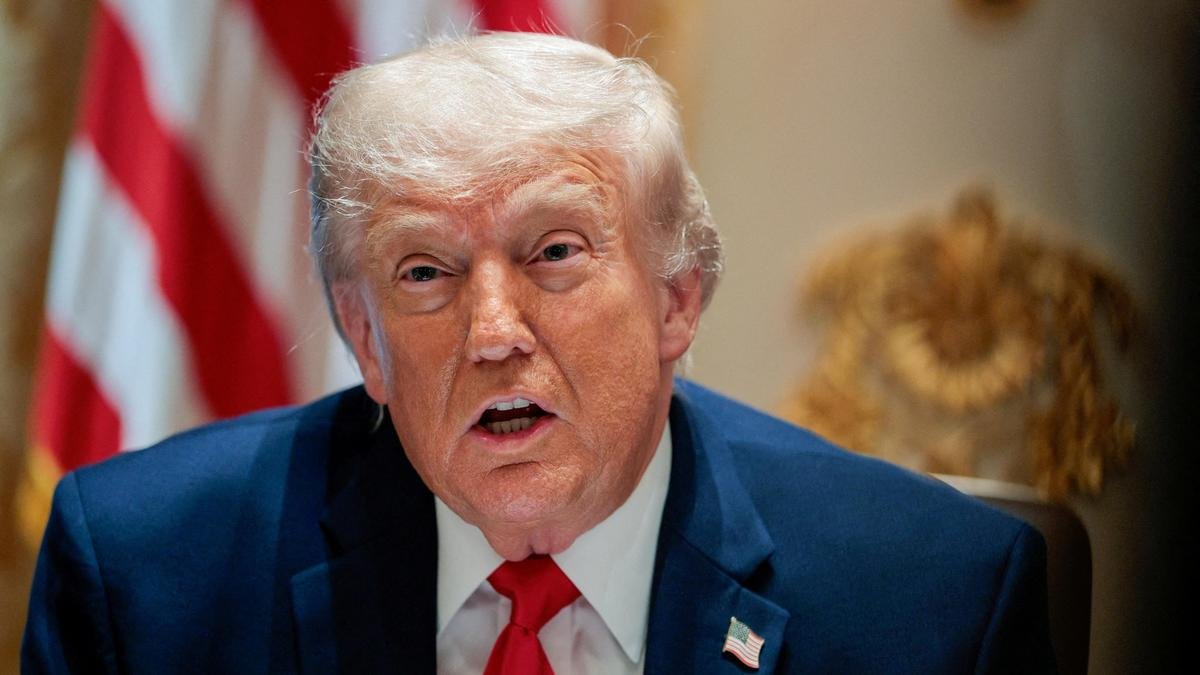
The ongoing Iran-Israel war has reached a critical turning point after U.S. President Donald Trump announced that he will hold a key meeting on Friday to make a final decision regarding a proposed Iran deal. The development comes at a time when tensions across the Middle East remain high, global energy markets are closely monitoring events, and world leaders are urging diplomatic solutions to prevent further escalation.
According to reports, Trump and his national security team are expected to review the latest framework for negotiations with Iran. The proposed agreement could potentially extend the current ceasefire period, reduce military tensions, and create a pathway for continued diplomatic engagement between Washington and Tehran.
As the situation unfolds, The Apna Times is tracking the latest developments and providing readers with comprehensive coverage of one of the most important geopolitical stories of the year.
Why Trump’s Friday Meeting Matters

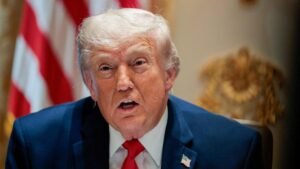 Trump’s announcement has attracted global attention because the outcome of the meeting could significantly impact the future of U.S.-Iran relations and the broader Israel-Iran conflict.
The White House is reportedly considering several key aspects of the proposed agreement, including security guarantees, nuclear restrictions, regional stability measures, and maritime safety in the Persian Gulf.
Trump has repeatedly stated that any deal with Iran must ensure that Tehran does not acquire nuclear weapons. At the same time, the United States is seeking assurances that important international shipping routes remain open and secure.
The Friday meeting is expected to include senior military officials, intelligence advisers, diplomatic representatives, and national security experts. Their recommendations could play a major role in determining whether Washington moves forward with the proposed framework.
Background of the Iran-Israel War
The Iran-Israel war has become one of the most closely watched conflicts in the world. Both nations have engaged in direct and indirect confrontations that have raised concerns about a wider regional war.
The conflict has affected not only the Middle East but also international markets, energy supplies, and diplomatic relations among major global powers.
Israel has consistently expressed concerns about Iran’s nuclear ambitions and regional influence. Iran, meanwhile, has accused Israel and its allies of aggressive policies and military actions targeting Iranian interests.
As tensions increased, fears grew that a prolonged conflict could destabilize the entire region and disrupt critical trade routes used by countries around the world.
The Proposed Iran Deal Explained
The proposed agreement under discussion reportedly includes several major provisions aimed at reducing tensions and creating conditions for future negotiations.
Among the key elements being discussed are:
- Extension of the current ceasefire arrangement.
- Continued diplomatic negotiations between the United States and Iran.
- Measures to ensure maritime security.
- Restrictions related to Iran’s nuclear activities.
- International oversight and verification mechanisms.
- Efforts to prevent future military escalation.
While details continue to emerge, officials suggest that the framework is designed to provide a temporary period of stability while broader negotiations continue.
The final decision, however, rests largely on the outcome of Trump’s Friday meeting.
The Importance of the Strait of Hormuz
One of the most important issues connected to the negotiations is the Strait of Hormuz.
The Strait of Hormuz is a narrow waterway connecting the Persian Gulf with international waters. Despite its limited size, it is considered one of the most strategically significant shipping routes in the world.
A large percentage of global oil exports passes through this route every day. Any disruption to shipping operations in the region can immediately affect global energy prices and international trade.
During periods of heightened tensions, concerns have grown regarding the safety of commercial vessels traveling through the strait.
Reports indicate that the United States wants clear assurances that shipping lanes will remain open and secure. Reopening and protecting maritime traffic is viewed as a critical component of any future agreement.
Impact on Global Oil Markets
Financial markets around the world are closely monitoring developments in the Middle East.
Whenever tensions rise between Iran and Israel, investors often react by increasing oil price forecasts due to concerns about potential supply disruptions.
Energy analysts believe that a successful diplomatic agreement could help stabilize markets by reducing uncertainty.
Possible benefits of a successful deal include:
- Improved confidence among global investors.
- Greater stability in energy supplies.
- Reduced volatility in oil prices.
- Increased security for international shipping operations.
- Improved economic outlook for several energy-dependent nations.
For countries that rely heavily on imported oil, stability in the Strait of Hormuz remains particularly important.
US-Iran Negotiations Enter a Crucial Phase
The latest round of U.S.-Iran negotiations is being viewed as a decisive moment for diplomacy in the region.
Negotiators are reportedly discussing a wide range of issues, including:
Nuclear Program Restrictions
One of Washington’s primary objectives is ensuring that Iran does not develop nuclear weapons capabilities.
International monitoring and verification measures are expected to play an important role in any future agreement.
Economic Considerations
Economic sanctions and trade restrictions remain central issues in discussions between both sides.
Iran has long sought relief from sanctions, while the United States wants guarantees regarding compliance with international obligations.
Security Commitments
Both sides are examining ways to reduce the risk of future military confrontations.
Security guarantees could become a major pillar of any long-term diplomatic arrangement.
Regional Stability
A successful agreement may create opportunities for broader discussions involving other countries in the Middle East.
Many diplomats believe that regional cooperation is essential for achieving lasting peace.
International Reactions
Governments and international organizations have responded cautiously to reports surrounding the proposed Iran deal.
Several countries have welcomed continued diplomatic engagement and encouraged all parties to pursue peaceful solutions.
European leaders have repeatedly emphasized the importance of dialogue and restraint.
Meanwhile, regional allies continue to monitor developments closely, particularly regarding security arrangements and nuclear oversight measures.
International observers generally agree that avoiding further military escalation remains a top priority.
Challenges Facing the Proposed Agreement
Despite growing optimism in some diplomatic circles, several challenges remain.
Among the biggest obstacles are:
Trust Deficit
Years of tensions and disagreements have created deep mistrust between the parties involved.
Verification Requirements
Ensuring compliance with any future agreement will require effective monitoring systems.
Domestic Political Pressure
Political leaders in multiple countries face pressure from lawmakers and public opinion regarding negotiations.
Regional Security Concerns
Neighboring countries continue to seek assurances that any agreement will contribute to long-term stability.
These challenges highlight why Trump’s final decision is being watched so closely by governments around the world.
What Could Happen Next?
Several scenarios remain possible following Friday’s meeting.
Scenario 1: Approval of the Framework
If Trump approves the proposed framework, negotiations could move forward under an extended ceasefire arrangement.
This would provide diplomats additional time to address unresolved issues.
Scenario 2: Additional Negotiations
Officials may determine that more discussions are necessary before any final agreement can be reached.
This scenario would likely prolong diplomatic efforts but could also help resolve outstanding concerns.
Scenario 3: Rejection of the Proposal
If significant disagreements remain, the United States could choose not to support the current framework.
Such a decision could increase uncertainty and potentially raise tensions in the region.
Why This Story Matters
The outcome of Trump’s decision goes far beyond relations between the United States and Iran.
The decision could influence:
- Global energy markets.
- International trade routes.
- Middle East security.
- Nuclear non-proliferation efforts.
- Future diplomatic initiatives.
Because of these broader implications, policymakers, investors, and citizens worldwide are paying close attention to developments.
The Apna Times Analysis
At The Apna Times, we believe this story represents a defining moment in international diplomacy. The combination of ongoing Iran-Israel tensions, concerns over global energy security, and high-level negotiations between Washington and Tehran makes this one of the most significant geopolitical developments of 2026.
Whether the proposed agreement is approved, modified, or rejected, its consequences are likely to be felt far beyond the Middle East.
As events continue to unfold, The Apna Times will provide timely updates, expert analysis, and in-depth coverage to help readers understand the rapidly changing situation.
Conclusion
President Donald Trump’s Friday meeting could determine the future of the proposed Iran deal and shape the next phase of the Iran-Israel conflict. With global markets watching, diplomatic efforts intensifying, and regional security at stake, the decision carries enormous significance.
A successful agreement could reduce tensions, improve stability, and create new opportunities for diplomacy. However, major challenges remain, and the final outcome is still uncertain.
For the latest updates on the Trump Iran Deal, Iran-Israel War, US-Iran Negotiations, and Middle East News, stay connected with The Apna Times as this developing story continues to unfold.