Vance Says US and Iran Have Made Major Progress Toward Historic Deal
Vance Says US and Iran Have Made “A Lot of Progress” Toward Deal as Diplomatic Efforts Intensify
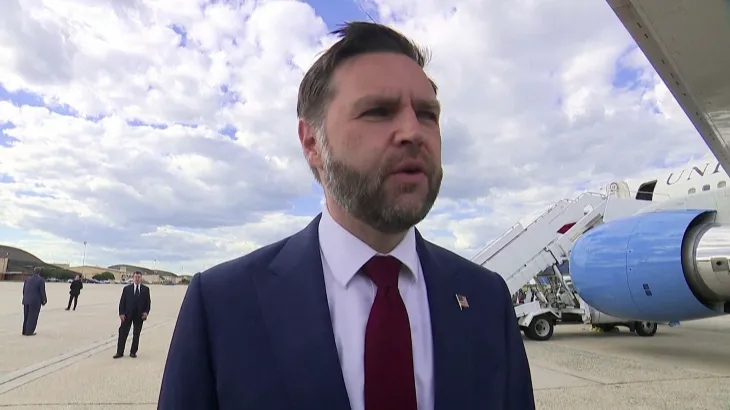
The United States and Iran may be moving closer to a significant diplomatic breakthrough after U.S. Vice President JD Vance stated that both countries have made “a lot of progress” during ongoing negotiations. The remarks come amid growing international attention on the future of US-Iran relations, concerns about regional security, and continued efforts to reduce tensions linked to the Iran-Israel conflict.
Vance’s comments have sparked optimism among diplomats and analysts who believe that a successful agreement could help stabilize the Middle East, improve global energy security, and reduce the risk of further military escalation.
As developments continue to unfold, The Apna Times is closely monitoring the latest updates surrounding the US-Iran negotiations and their potential impact on global politics.
JD Vance Highlights Positive Momentum in Talks
Speaking about the current state of negotiations, JD Vance indicated that discussions between Washington and Tehran have produced meaningful progress.
According to Vance, both sides remain engaged in serious diplomatic efforts and are working through key issues that have historically divided the two countries.
The Vice President acknowledged that several challenges still remain before a final agreement can be reached. However, he emphasized that the negotiations are moving in a constructive direction.
His remarks suggest that the Biden-era deadlock over nuclear negotiations may be giving way to a new phase of diplomacy under the current administration.
The statement has been viewed as one of the strongest indications yet that both countries are seeking a workable solution rather than continued confrontation.
Why the US-Iran Negotiations Matter

The latest US-Iran negotiations are not simply about bilateral relations.
The outcome could have major implications for:
- Global security
- Energy markets
- Nuclear non-proliferation efforts
- International trade
- Middle East stability
- Relations between major world powers
For years, tensions between the United States and Iran have influenced political and economic developments far beyond the region.
Any agreement that reduces hostility between the two countries would likely have a positive impact on international markets and diplomatic relations.
This is one reason why governments around the world are paying close attention to the progress described by Vance.
Iran’s Nuclear Program Remains a Central Issue
One of the most important subjects under discussion is Iran’s nuclear program.
The United States continues to insist that Iran must not develop nuclear weapons capabilities.
Negotiators are reportedly discussing several important measures, including:
Uranium Enrichment Limits
American officials want stricter controls on Iran’s enrichment activities.
These restrictions are intended to prevent the production of weapons-grade nuclear material.
International Monitoring
Independent inspections and verification mechanisms are expected to play a major role in any agreement.
Such measures would allow the international community to monitor compliance.
Nuclear Transparency
Greater transparency regarding nuclear facilities remains a key objective for Western negotiators.
These provisions are considered essential for building trust and ensuring long-term stability.
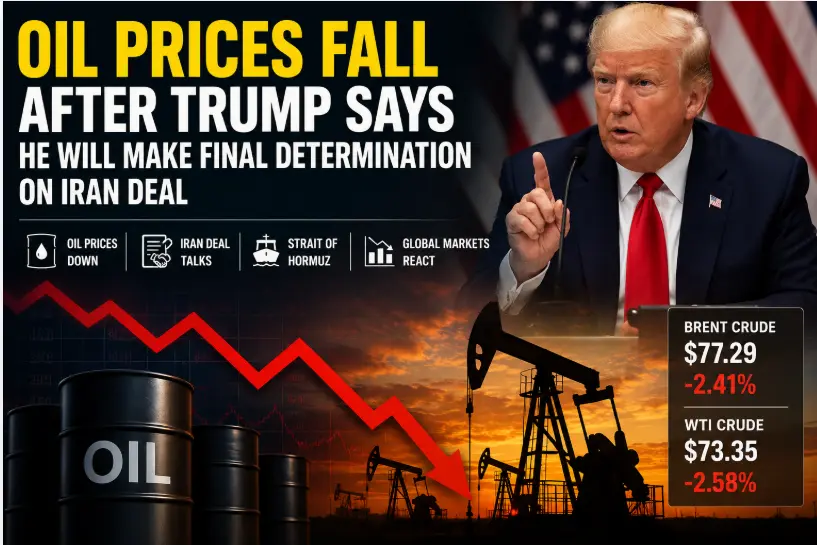
Trump Expected to Make Final Decision
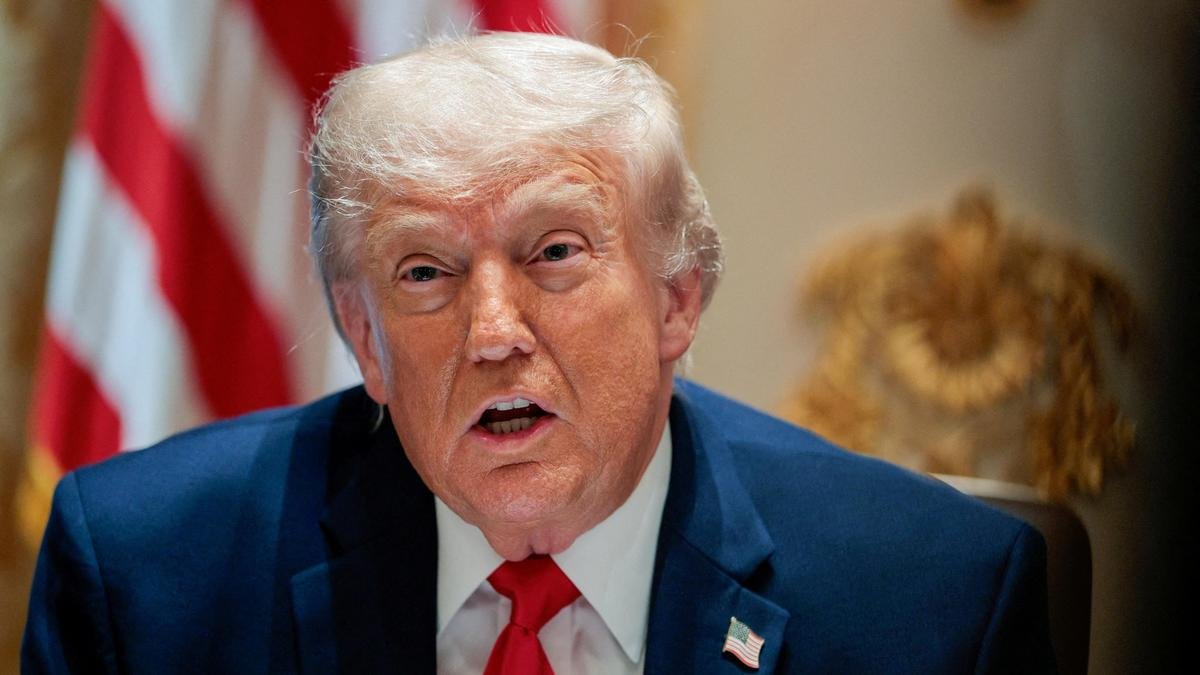
Although negotiations have reportedly made progress, President Donald Trump is expected to play a decisive role in determining whether the United States ultimately supports the proposed framework.
Trump has repeatedly emphasized that any agreement must protect American interests and ensure that Iran cannot develop nuclear weapons.
Reports indicate that senior national security officials are reviewing various aspects of the deal before a final decision is announced.
The outcome of these discussions could shape the future of US-Iran relations for years to come.
Many observers believe that Trump’s decision will be one of the most significant foreign policy choices of his current term.
Strait of Hormuz Plays Critical Role
Another major topic in the negotiations is the Strait of Hormuz.
The Strait of Hormuz is widely recognized as one of the world’s most important maritime routes.
Every day, millions of barrels of oil pass through this narrow waterway.
Any disruption in the region can immediately affect:
- Global oil prices
- Energy supplies
- Shipping operations
- International trade routes
The United States reportedly wants guarantees that commercial vessels will be able to travel safely through the strait.
Protecting maritime traffic is viewed as a crucial component of regional stability.
A successful agreement could reduce concerns about shipping disruptions and improve confidence in global energy markets.
Impact on Global Oil Markets
Energy traders and investors are carefully monitoring developments in the Middle East.
Historically, tensions involving Iran have had a direct impact on oil prices.
When uncertainty increases, markets often respond with higher energy costs.
A diplomatic breakthrough could produce several economic benefits:
Stable Oil Prices
Reduced geopolitical risk often leads to more predictable energy markets.
Improved Investor Confidence
Businesses generally prefer stable political conditions when making investment decisions.
Stronger Global Trade
Secure shipping routes help support international commerce.
Lower Economic Uncertainty
Markets tend to react positively when major geopolitical risks are reduced.
For many countries that depend on imported energy, these developments could provide welcome relief.
Iran-Israel Conflict Continues to Influence Negotiations
The ongoing Iran-Israel conflict remains an important factor in the broader diplomatic landscape.
The conflict has increased regional tensions and raised concerns about a wider military confrontation.
Many international leaders believe that reducing tensions between the United States and Iran could indirectly contribute to greater regional stability.
While the current negotiations are not specifically focused on resolving the Iran-Israel conflict, a successful agreement could create opportunities for additional diplomatic efforts.
Analysts note that improved communication channels often reduce the likelihood of misunderstandings and unintended escalation.
International Reactions to the Progress
World leaders have responded cautiously but positively to Vance’s remarks.
Several governments have welcomed continued dialogue between Washington and Tehran.
European nations have repeatedly encouraged diplomatic engagement and peaceful solutions.
International organizations have also emphasized the importance of negotiations in preventing future conflicts.
At the same time, some analysts remain cautious.
They argue that previous negotiations have encountered setbacks and that significant challenges still need to be addressed before any agreement can be finalized.
Challenges That Still Remain
Despite the positive tone of recent statements, several obstacles continue to stand in the way of a final deal.
Trust Issues
Years of political disagreements have created deep mistrust between both sides.
Building confidence will require sustained diplomatic effort.
Verification Mechanisms
Ensuring compliance with any future agreement remains a complex challenge.
Regional Security Concerns
Several countries in the Middle East continue to monitor the negotiations closely.
Domestic Political Pressure
Political leaders in both countries face pressure from lawmakers and public opinion.
Addressing these concerns will be essential for securing long-term support for any agreement.
What Could Happen Next?
Following the latest round of discussions, several outcomes remain possible.
Scenario One: Agreement Reached
Negotiators could finalize a framework that satisfies the key concerns of both sides.
This would represent a major diplomatic achievement.
Scenario Two: Additional Talks
Officials may decide that further negotiations are necessary before a final agreement can be approved.
Scenario Three: Negotiations Stall
If disagreements persist, progress could slow and uncertainty could increase.
For now, diplomats appear focused on maintaining momentum and continuing discussions.
The Apna Times Analysis
At The Apna Times, we believe JD Vance’s statement marks an important moment in the ongoing US-Iran negotiations.
While significant challenges remain, the acknowledgment that both countries have made substantial progress suggests that diplomacy remains the preferred path forward.
The coming days could prove crucial as President Trump and senior officials evaluate the proposed framework and determine whether it meets American security objectives.
The implications extend far beyond Washington and Tehran.
The future of regional stability, energy security, and international diplomacy may all be influenced by the decisions made in the weeks ahead.
Conclusion
JD Vance’s declaration that the United States and Iran have made “a lot of progress” toward a deal has generated renewed optimism about the possibility of a diplomatic breakthrough.
The ongoing US-Iran negotiations are addressing some of the most sensitive issues in international politics, including nuclear restrictions, regional security, and maritime stability.
Although challenges remain, the positive momentum described by Vance suggests that both sides recognize the value of continued dialogue.
As the world awaits further developments and President Trump’s final decision, The Apna Times will continue providing in-depth coverage, expert analysis, and the latest updates on the US Iran Deal Progress, Iran Nuclear Talks, Middle East Tensions, and global diplomatic efforts.